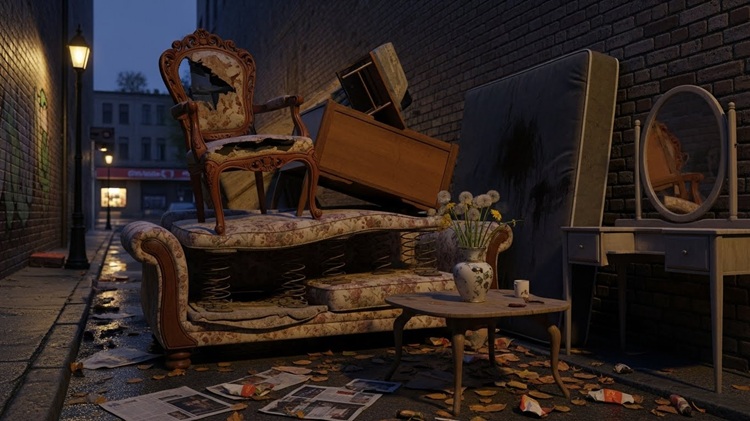
Leaving a rental is stressful enough without the added headache of a sofa, bed, or dining table you no longer want.
Abandoning furniture in the property is one of the fastest ways to lose your deposit. In fact, you’re legally required to return the property in the same condition as when you moved in. And that includes removing every item you brought with you.
Here’s how to get rid of unwanted furniture quickly, cheaply, and legally. It’s the best way to keep the landlord happy and the final inspection stress-free.
Donate to Give Your Furniture a Second Life
Donating leftover furniture to charity is one of the easiest and most rewarding ways to handle unwanted items. Instead of letting your old sofa or dining table go to waste, give it a new home where it’s needed.
Many charitable organisations, including The British Heart Foundation and similar groups, welcome furniture donations and often provide free collection services. This option helps you declutter while supporting a good cause.
Knowing your unwanted items will benefit someone in need feels genuinely rewarding. Plus, it’s an environmentally responsible choice that keeps furniture out of landfills.
Donating works best when your items are in good condition but no longer serve your needs. Just schedule this ahead of time, as some organisations require a few days’ notice to arrange pickup.
Sell Your Furniture for Extra Cash
Selling your more valuable pieces is an excellent way to generate extra money for moving expenses. Platforms like Gumtree, Facebook Marketplace, and eBay have made local sales incredibly simple.
These platforms connect you with potential buyers and arrange for them to pick up items, eliminating your transportation concerns.
Successful furniture sales depend on good photos, competitive pricing, and detailed descriptions. Highlight any special features and be honest about the condition. This attracts the right buyers and saves everyone time.
If you need quicker results, consider pricing your items slightly lower. By selling your surplus furniture, you’ll offset moving costs while giving your items a new home a true win-win.
Offer Furniture to Friends or Family
Sometimes the perfect solution is right within your social circle. You’d be surprised how many friends or relatives are looking for spare chairs, bed frames, or coffee tables.
Ask around before turning to online sales or donations. Someone you know might be moving into a new place and would gladly take these items off your hands.
Giving furniture to people you know saves you the effort of listing items online or coordinating with strangers. It also feels good knowing your belongings are staying with friends or family.
Just be clear about collection timing to avoid conflicts with your end-of-tenancy cleaning or moving schedule.
Rent a Storage Unit for Temporary Solutions
Sometimes parting with furniture is difficult, especially if your new home simply can’t accommodate everything. Renting a storage unit provides an excellent interim solution while you figure things out.
Storage facilities keep your items safe until you decide whether to sell, donate, or eventually move them into your new space. This is particularly helpful if you’re downsizing but want to preserve certain pieces for the future.
Be aware that storage units come with monthly fees, so weigh the costs carefully. Ensure it’s worth keeping items rather than selling or donating them. For treasured belongings you can’t immediately part with, this is a practical alternative.
Hire a Furniture Removal Service
If you have too many pieces to handle alone, hiring a professional removal company might be your best option. Many businesses specialise in removing unwanted furniture.
They’ll arrive, collect your items, and ensure proper disposal through recycling or responsible waste management. While this service costs money, it’s hassle-free and particularly valuable when you’re pressed for time.
These services are especially beneficial for large or heavy items that are challenging to move yourself.
Repurpose or Upcycle Old Furniture
If you enjoy creative projects, repurposing extra furniture offers another appealing option. Transform your old pieces into something fresh and functional.
Sand and paint an old dining table to create a beautiful home office desk. Reupholster vintage chairs to match a new design scheme. Giving furniture a second life reduces waste, making this an environmentally friendly choice.
Upcycling lets you exercise your creativity while being sustainable. Even if you don’t keep the transformed pieces, they often sell for more than unrefurbished items would.
Use Curbside Disposal as a Last Resort
If your furniture is broken or unsuitable for donation or sale, curbside disposal might be your only option. However, you’d need to check with your local council about their procedures for disposing of large items.
Some areas offer bulk trash pickup services, though these typically require advance booking and have limits on how many items you can discard at once.
While not the most elegant solution, it’s sometimes necessary, particularly for furniture beyond repair. Just make sure you’re legally permitted to leave items on the curb and follow your council’s guidelines.
Complete Thorough End-of-Tenancy Cleaning
Once you’ve dealt with extra furniture, focus on cleaning the apartment thoroughly. Receiving your full deposit actually depends on effective cleaning.
Most rental agreements require you to leave the property in pristine condition, and landlords typically inspect carefully before returning deposits. Removing all furniture first makes deep cleaning much easier.
Alternatively, you could book an after tenancy cleaning company to lend a hand. These specialists have the right expertise and equipment to give your house a thorough cleanup.
Whether you hire a professional service or tackle it yourself, ensure every surface is spotless, including areas where furniture previously sat. Pay special attention to scuff marks on walls and floors left by furniture.
Proper end-of-tenancy cleaning helps you leave on good terms and ensures you’ve met all obligations as a tenant.
Conclusion
Letting go of leftover furniture is simply a part of closing one chapter and preparing for the next. Once you’ve decided what stays, what goes, and what deserves a second life, the rest of your move becomes noticeably lighter—literally and figuratively.
And if you ever feel stuck, reach out for advice or extra help. There’s always a practical way to clear the clutter and step into your new place feeling organised, calm, and ready for whatever comes next.